Nike
Before Nike became a global sports apparel giant, it was a small startup with ambition. The company's origin story starts in 1964, when Phil Knight, a former track student, joined with his college coach Bill Bowerman to establish Blue Ribbon Sports, an operation that sold Japanese running shoes out of the back of a car. Knight wanted Japanese brands to be as competitive as Adidas and Puma, while Bowerman was fixated on enhancing athletic footwear for performance.
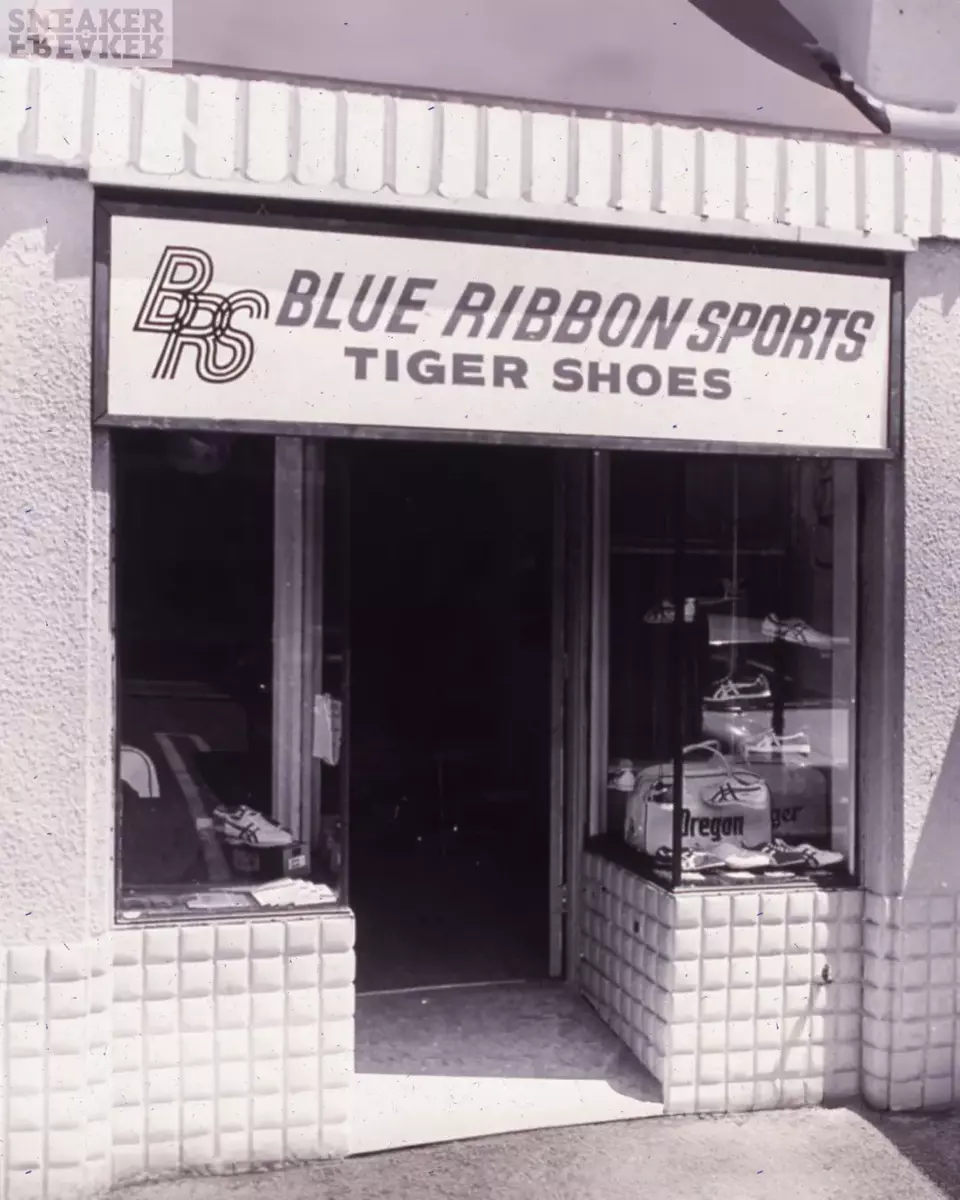
Phil Knight and Bill Bowerman in early days / Blue Ribbon Sports storefront
By 1971, having parted with their Japanese supplier, the pair chose to make their own brand. That is when Nike was born — named after the goddess of victory in Greek mythology. The now-famous Swoosh logo was created by college student Carolyn Davidson for only $35. Nike's first shoe, the Cortez, appeared in 1972 and immediately became a runner's favorite.

Nike’s real breakthrough came with a bold marketing move in 1984: the signing of a rookie NBA player named Michael Jordan. The release of Air Jordan 1 wasn’t just a shoe drop — it was a cultural shift. Around the same time, Nike launched its now-famous slogan, “Just Do It”, in 1988 — a line that would become one of the most successful brand taglines in history.
What We Can Learn from Nike
1. Sell a Belief, Not Just a Product
Nike didn't make it big by merely selling shoes. It sold an attitude — one centered on ambition, determination, and self-confidence. Nike positioned itself right from the start not only as a sportswear company, but as a company for those who have the will to move. "Just Do It" is not about shoes — it's about empowerment. That emotional bond is what makes customers loyal and converts buyers into lifelong enthusiasts. If you're establishing a brand, think beyond your product — what are you standing for?
2. Simplicity is Power
The Nike Swoosh is one of the simplest logos in the world, yet one of the most recognizable. There’s no fancy typography, no overcomplicated symbols — just a fluid, dynamic shape that captures movement and speed. That’s the magic of strong branding: simplicity, done well, can say more than a thousand words. Whether it’s your logo, website, or ad copy, keeping things clean and clear often makes the strongest impact.
3. Emotional Storytelling Wins
Nike was a master of storytelling. Rather than highlighting the features of their products, their campaigns highlight human experiences — struggles, wins, hopes, and even setbacks. From Michael Jordan to Serena Williams, each athlete's story becomes a narrative people can identify with. Emotional storytelling allows the brand to relate on a deeper, more personal level to audiences. Your brand doesn't require a celebrity — but it does require a story that needs to be told.
4. Daring Moves Can Shape a Brand
Nike has never shied away from going big — whether it was signing rookie Michael Jordan in 1984, introducing provocative campaigns, or pioneering innovation in performance technology. Such daring moves are often followed by backlash, but they also make for loyalty, authenticity, and culture relevance. Playing it safe may keep you middling, but it will hardly make you legendary.
5. Evolve to Remain Relevant
From running shoes to lifestyle sneakers, from bricks to clicks — Nike evolves with its consumers every step of the way. It entered the e-commerce space early, developed Nike+, built mobile fitness experiences, and now, it's even exploring the metaverse. One of the greatest strengths of Nike is that it evolves with the times without diluting its core. Remaining relevant has nothing to do with trends — it has to do with knowing your customers and evolving with direction.
These Nike lessons aren't only for large companies — they benefit startups, personal brands, artists, and entrepreneurs as well. Nike's path shows us that with vision, diligence, and nerve, any brand can build itself into an iconic entity.


Comments
Post a Comment