Patagonia
Patagonia – Turning Business into Environmental Activism
“We’re in business to save our home planet.” – Yvon Chouinard, Founder of Patagonia
Where other companies dream of profit, growth, and world domination, Patagonia had a different dream — a world in which business and nature could coexist, not sacrifice one another. From a humble climbing gear workshop in California, it grew to become one of the world's best-known ethical brands, founded on the revolutionary principle that good for the planet is the ultimate business strategy.
Patagonia's tale begins with Yvon Chouinard, a fervent rock climber, blacksmith, and environmentalist. In the late 1950s, he began hand-forging climbing pitons in his parents' backyard and selling them out of the trunk of his car. His company, Chouinard Equipment, gained a fast reputation for high-quality equipment among the climbing community. But then there was the issue — the metal pitons were harming the very cliffs that climbers cherished.
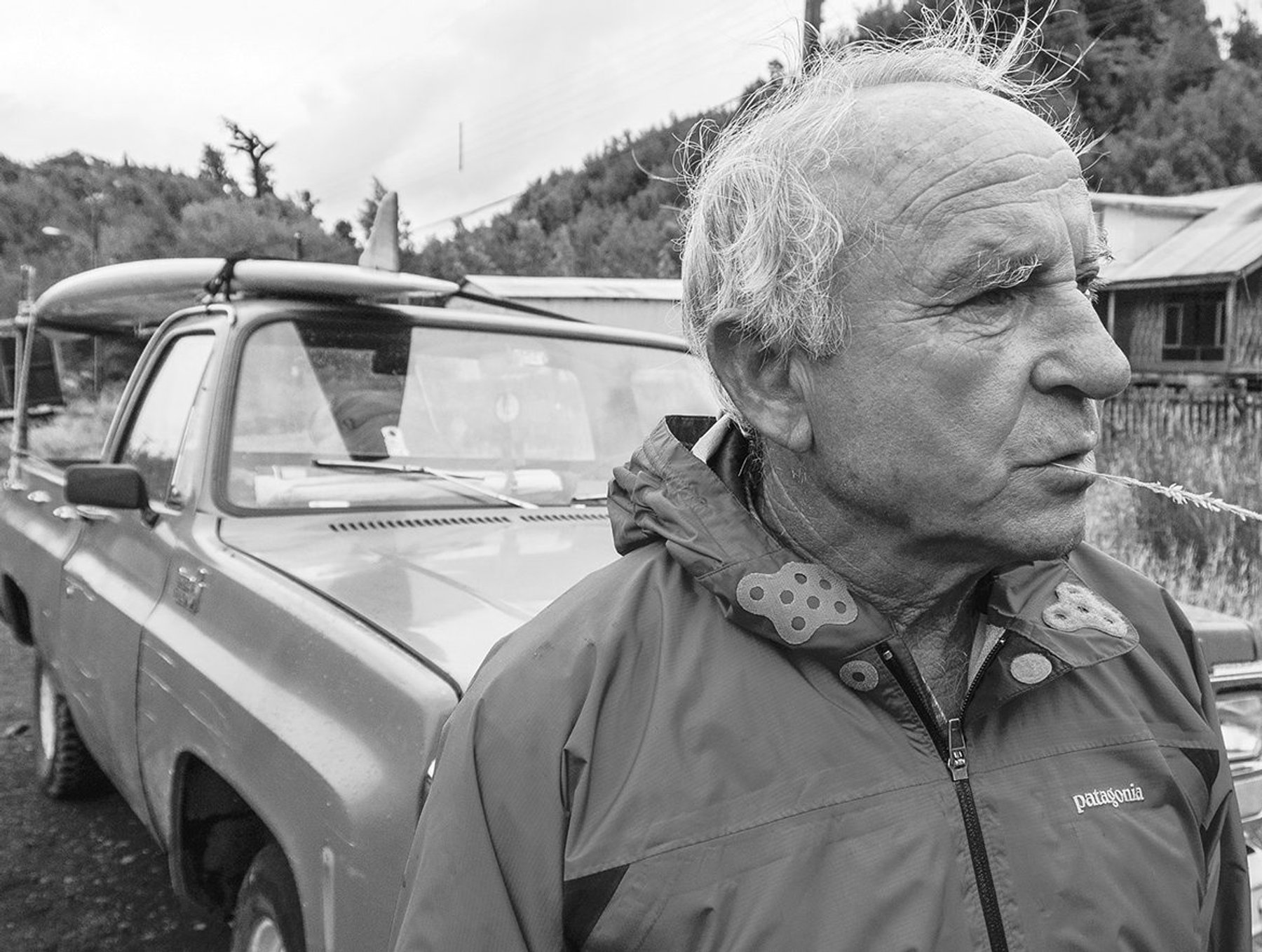
Yvon Chouinard in the early years
Instead of ignoring it, Yvon took a bold step: he discontinued his best-seller. In its stead, he introduced aluminum chocks that didn't harm the rock at all. It was a turning point — Patagonia wasn't simply another outdoor firm; it was a firm with a heart.
In 1973, Chouinard's vision extended to apparel with the launch of Patagonia. The company was named after the wild, untamed South American landscapes — a metaphor for adventure and reverence for the land. Patagonia soon became synonymous with rugged, high-tech equipment suitable for climbers, surfers, and adventurers.
But what really distinguished Patagonia was its mission. In the 1980s, the company began giving 1% of sales to environmental organizations — decades before "sustainability" was a buzzword. Its ads weren't designed to sell more; they were about using less. One of its most iconic ads read: "Don't Buy This Jacket." The message? Fix what you have. Reuse. Recycle.
Patagonia's first store in Ventura, California
In 2011, Patagonia introduced the Worn Wear program, inviting customers to trade, repair, and resell old clothing — rewriting the rules for what's considered responsible business. And in 2022, Chouinard again made history by donating his entire company — selling it to a trust and nonprofit to make sure all the profits are used to combat climate change.
Now, Patagonia is not just a worldwide outdoor brand but a movement — evidence that business can be both successful and meaningful.
What We Can Learn from Patagonia’s Story
1. Purpose Over Profit Creates True Power
Patagonia's success did not result from pursuing money, but from living its values. When your purpose is greater than your business, people do not just purchase your product — they believe in what you stand for.
2. Unwavering Trust Is Built on Integrity
When Patagonia discovered its equipment was damaging the environment, it did an about-face. Owning up and accepting blame solidified the brand. Imperfection, not integrity, wins lifelong devotion.
3. Disrupt Your Industry's Norms
Patagonia did the exact opposite of what businesses are "supposed" to do — it encouraged people to buy less. That transparency became its strongest marketing asset. Occasionally, defying the rules makes your legacy.
4. Sustainability Is a Long Game
Patagonia didn't wake up one morning and become "eco-friendly." It developed, incrementally, decade after decade. Real transformation isn't a campaign — it's a commitment.
5. Leadership Means Letting Go
When Yvon Chouinard sold his business to a trust so that the employees could own it, he demonstrated that leadership isn't about controlling the outcome, but creating a lasting impact. The best leaders don't grip — they create something that can outlast them.
Patagonia's path redefines success. It demonstrates that profit and purpose are not mutually exclusive, that the strongest brands don't just sell things — they stand for something.
Where consumption tends to dominate our world, Patagonia reminds us of the greatest good: to do less harm.


Comments
Post a Comment